Vinegar in Chinese Cooking: Not Just Sour
2026-08-21
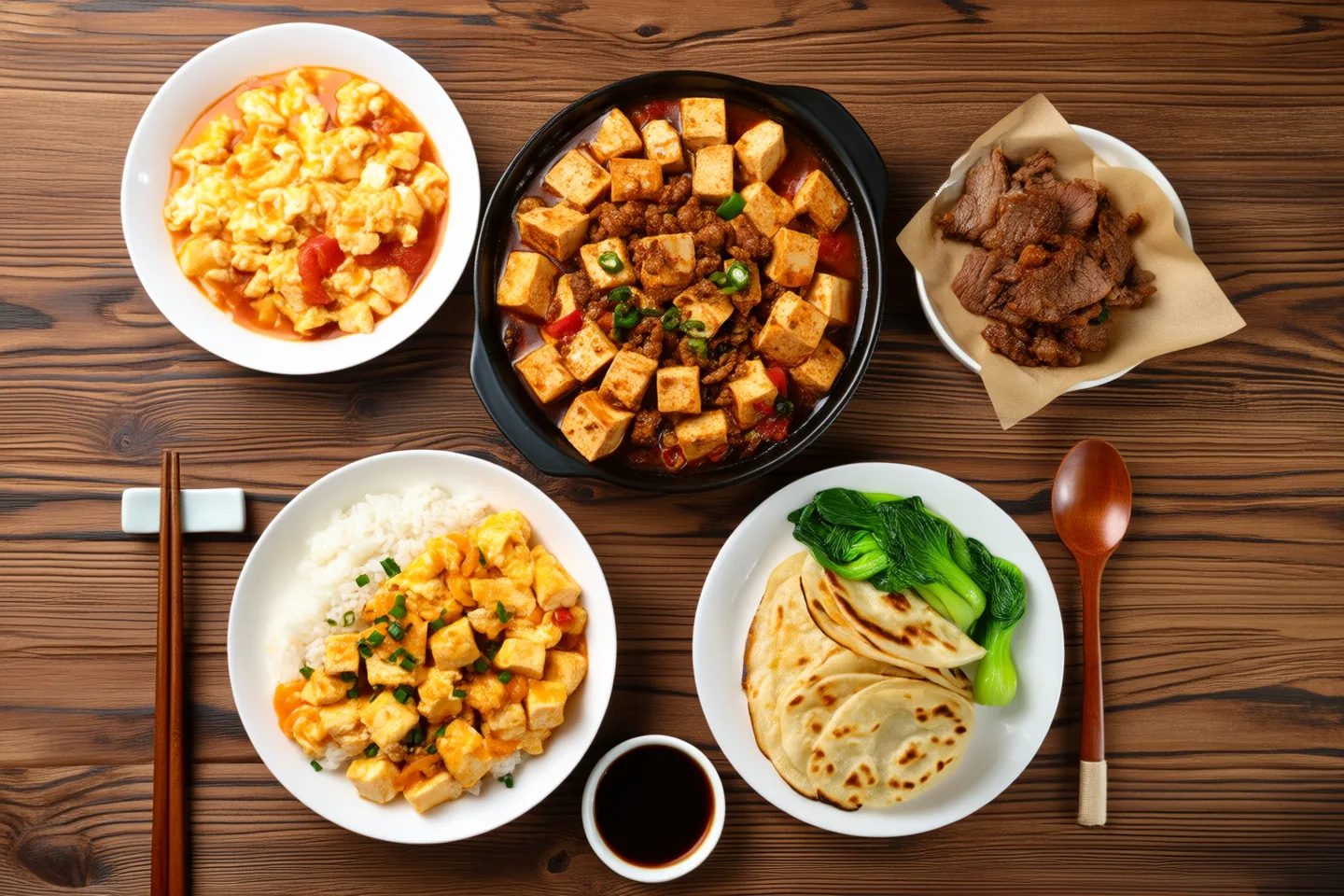
Vinegar is not just sour. In Chinese kitchens, it is a multi-functional tool for seasoning, removing fishiness, enhancing umami, and preserving color.
Main Types of Chinese Vinegar
- Chen Vinegar (陈醋) — mellow sourness, dark color · red braising, dipping sauces
- Rice Vinegar (米醋) — clean sourness, light color · cold dishes, pickling
- Black Vinegar/Xiangcu (香醋) — slightly sweet, rich aroma · dumpling dipping sauce
- White Vinegar (白醋) — pure sour, colorless · cleaning, marinating
Four Key Uses of Vinegar
1. Remove Fishiness and Enhance Umami: When cooking fish or meat, a little vinegar neutralizes fishy odors while boosting umami.
2. Preserve Vegetable Color: Add a few drops of vinegar when blanching to keep green vegetables vibrant.
3. Soften Ingredients: Add vinegar when boiling beans or stewing meat to accelerate softening.
4. Balance Flavors: Sweet and sour, spicy and sour — vinegar is key to balancing flavors.
Practical Tips
- Add vinegar at the end of stir-frying for more pronounced sourness
- Add vinegar early when stewing for milder sourness
- Use black vinegar for cold dishes for better taste
Common Mistakes
- Adding vinegar too early — sourness evaporates
- Using too much — masks other flavors
- Using the wrong type for the dish